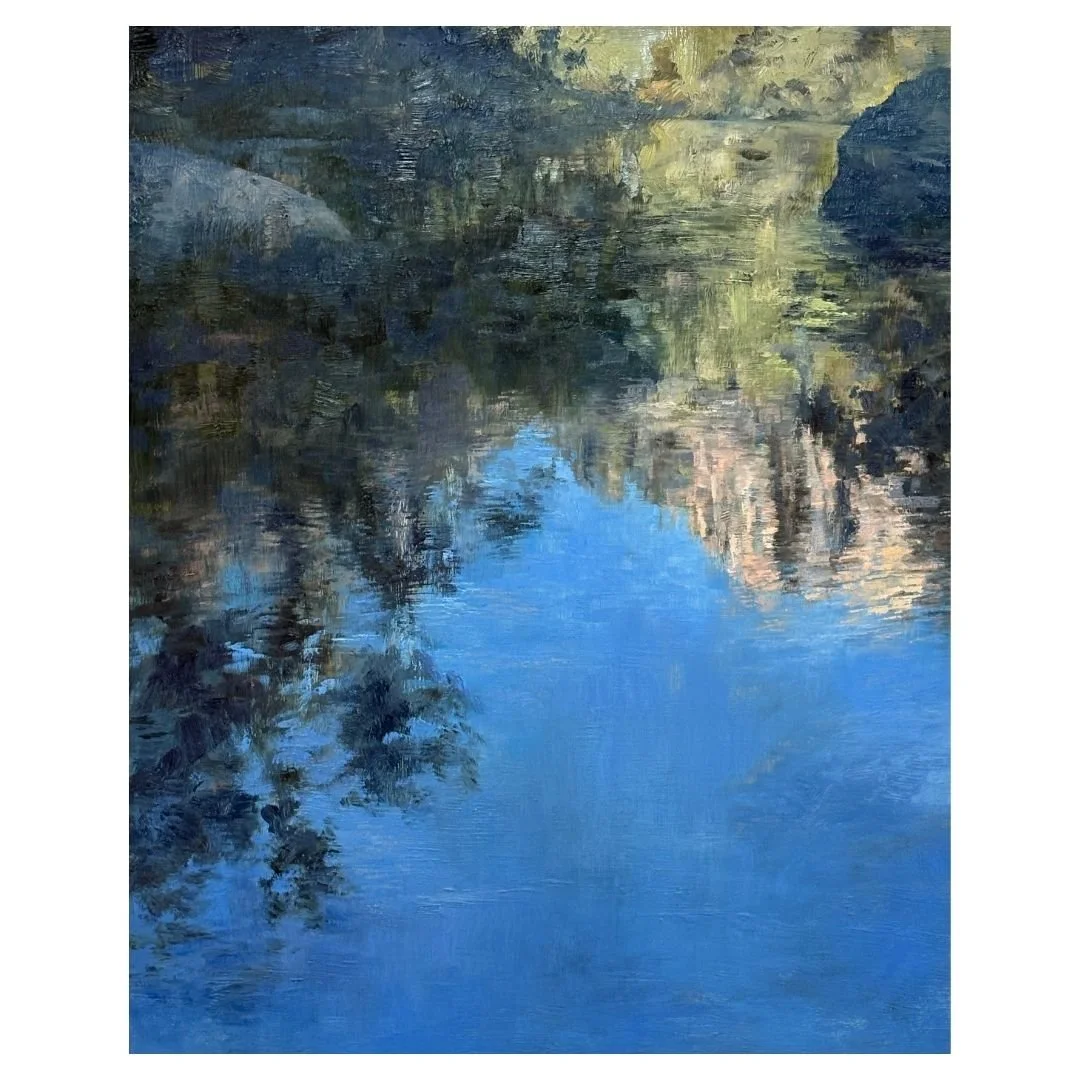
Suspension, 2026, oil on board, 50 × 40 cm
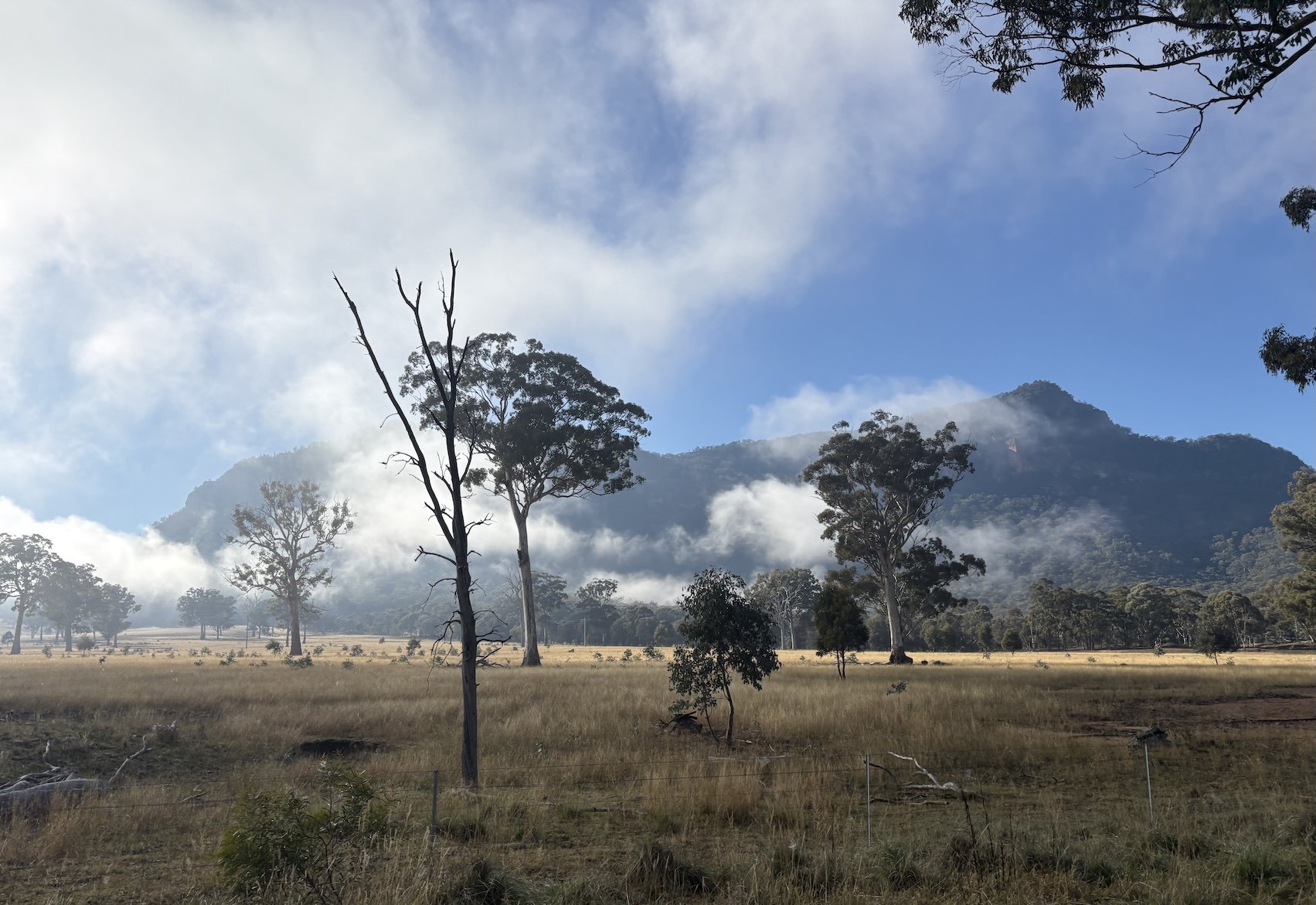
As the days grow cooler and shorter, I have been throwing myself into and grappling with a series of paintings. They explore the ephemeral colours and shapes of reflected light. The imagery evokes the watery landscapes of Capertee Creek and Glenbrook Lagoon, suggesting worlds beyond and within worlds.
It is with careful consideration that I choose the words throwing and grappling to describe my engagement with my work.
Not that I throw paint around, Jackson Pollock-style. Rather, I commit wholly to the process, knowing the terrain is often slippery or worse, murky.
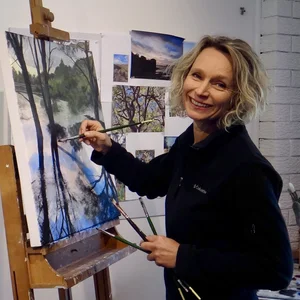
Last week, as I stood in front of a large painting that I’d been working on for days, applying thick oil in broad brushmarks, ‘murky’ showed up. I felt that I was reaching for, but not yet attaining, the essential keynote of the work. Like the shimmering reflection I painted, the quality I sought seemed to flicker in and out of view, just beyond my grasp.
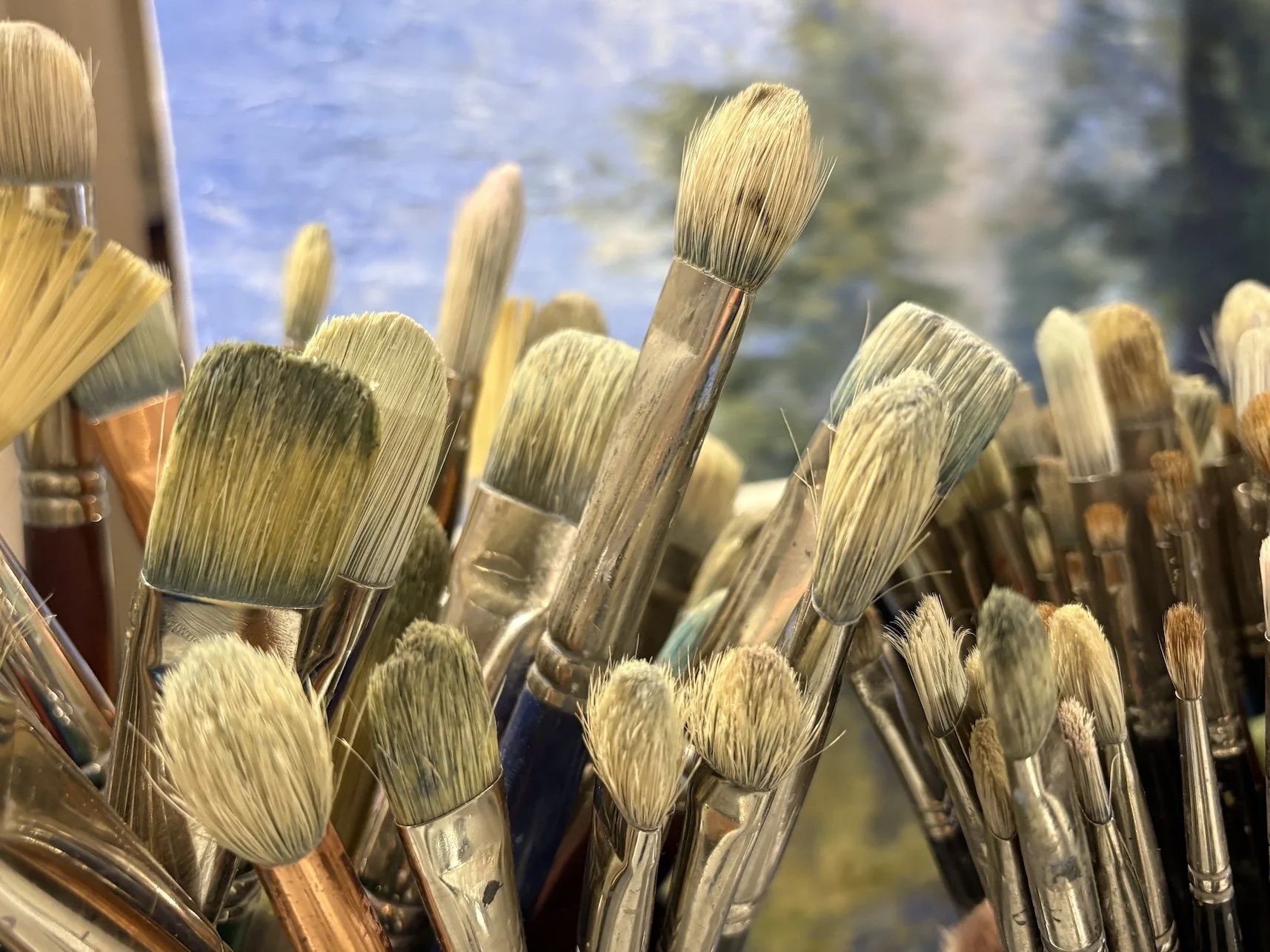
This uncomfortable passage between intention and resolution, via uncertainty, is a crucial yet disconcerting stage in the process of making a painting. It’s the ‘stuck’ phase, where we know that something is not right, but stepping into the unknown to make it so can feel like an internal wrestle.
Over the years, I have come to realise that this experience is not unique to me.
Whether emerging or established, most artists have times when they feel uncertain about their process. They sense that something is not working, feel isolated and unsure of the pathway forward. Many spend countless hours in solitary study, investigating colour, value and composition — hoping the next YouTube video will provide the catalyst for growth.
This is one of the reasons I started offering the painting retreats with mentoring in the Capertee - to support artists through this challenging territory. It is confusing and uncertain ground, but it is also where exciting shifts can occur. My role is not to provide a formula or impose a style. Rather, it is to help artists recognise the unique qualities already present in their work and support them in developing those qualities with greater confidence and intention.
Above all, I understand that what artists need is thoughtful conversation and community — a space to both explore their own practice and share the experience with others who get it. Quiet studio time, shared cups of tea over unfinished paintings, wandering the wide paddocks and bushland of the farm and nearby national parks, and winding down at the end of the day with fireside musings.
This is the rhythm I invite you to participate in with me in Capertee, as I too throw myself into and grapple with each painting, indeed every brush mark.